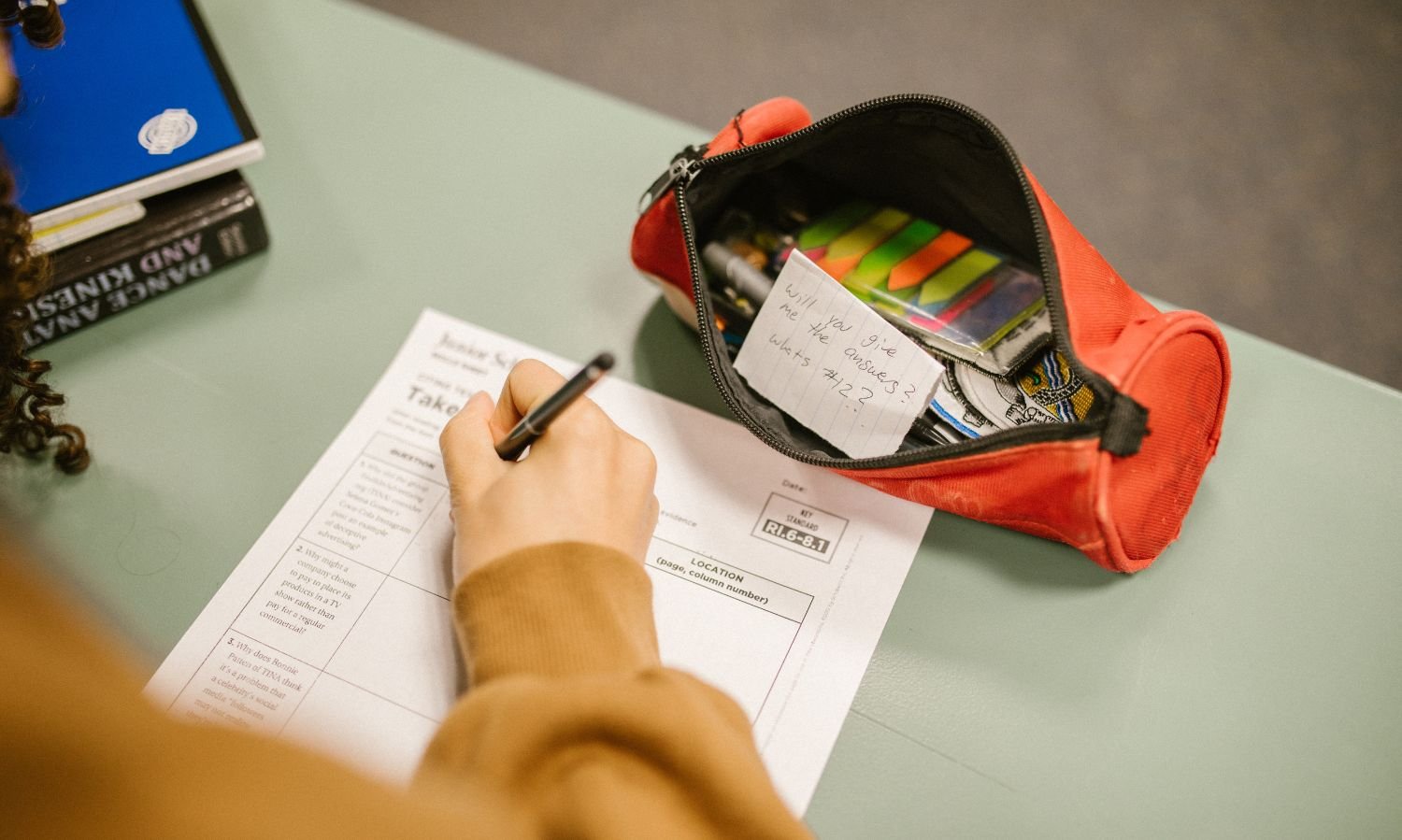
Are you feeling anxious about your next exam? Worried about how to prepare effectively and ace it? Well, look no further! In this blog article, we’ll provide you with the ultimate solution for your next exam tak. We understand the importance of performing well in exams and the pressure that comes with it. That’s why we have crafted a comprehensive guide to help you sail through your exams with confidence. So, let’s dive in and discover the strategies that will guarantee your success in the upcoming exam.

Next Exam Preparation: A Comprehensive Guide to Ace Your Next Test
Preparing for an upcoming exam can be both daunting and challenging. However, with the right approach and effective strategies, you can increase your chances of success and perform at your best. In this comprehensive guide, we will explore various essential aspects of exam preparation to help you unlock your full potential. From creating a study plan to managing time effectively, we’ll cover everything you need to know to ace your next exam.
1. Setting Clear Goals
Before diving into the study materials, it’s crucial to set clear goals that align with your aspirations. By defining specific and achievable targets, you can stay focused and motivated throughout the preparation process. Here are some tips for setting effective goals:
- Break down the syllabus into smaller sections and set milestones for each.
- Ensure your goals are measurable, such as completing a certain number of chapters or scoring a specific percentage.
- Set deadlines for each goal to maintain a sense of urgency.
2. Creating a Study Plan
A well-structured study plan is the foundation of successful exam preparation. It helps you organize your time, distribute your effort evenly, and cover all the necessary topics. Here’s how you can create an effective study plan:
- Start by assessing the exam format, syllabus, and marking scheme. This will give you a clear understanding of the exam’s structure and weightage of different topics.
- Divide your available study time into smaller study sessions. Shorter, focused sessions are more effective than long, cramming sessions.
- Prioritize the topics based on their importance and your familiarity with them. Allocate more time to challenging subjects.
- Create a daily or weekly study schedule, including specific topics or chapters to study during each session.
- Ensure you have breaks between study sessions to relax and rejuvenate.
3. Gathering Study Materials
Having the right study materials is essential for comprehensive exam preparation. Here’s a list of resources you should consider:
- Textbooks and course materials: Start with the recommended textbooks provided by your instructor. They often cover the essential concepts and provide practice exercises.
- Online resources: Explore reputable websites, educational platforms, and online libraries for additional study materials, video lectures, and practice tests.
- Previous exam papers: Solve previous years’ exam papers to understand the exam pattern and practice time management.
- Supplementary books and reference materials: Depending on the complexity of the subject, you may find it helpful to refer to supplementary books or reference materials for in-depth understanding.
4. Active Learning Techniques
Active learning techniques engage you in the learning process, making it easier to understand and retain information. Here are some effective active learning strategies:
- Summarizing: After studying a topic, summarize the key points in your own words. This helps reinforce your understanding and improves retention.
- Flashcards: Create flashcards for important definitions, formulas, and concepts. Regularly review them to strengthen your memory.
- Teaching others: Teach the material to someone else. This not only helps you solidify your knowledge but also reveals any gaps in your understanding.
- Practice problems: Solve practice questions and problems regularly to reinforce concepts and improve problem-solving skills.
5. Effective Time Management
Time management is crucial for maximizing productivity and avoiding last-minute stress. Here are some tips to help you make the most of your study time:
- Set specific time slots for studying each day, ensuring a balance between study, leisure, and rest.
- Use productivity techniques like the Pomodoro Technique, where you work in focused intervals (e.g., 25 minutes) followed by short breaks.
- Avoid multitasking, as it can reduce efficiency and lead to distractions. Focus on one task or subject at a time.
- Use time-tracking apps or tools to monitor how you spend your study time and identify areas for improvement.
- Allocate extra time for revising and practicing difficult concepts closer to the exam date.
6. Effective Note-Taking Strategies
Taking good notes during classes or while studying is crucial for later review. Here are some note-taking strategies to enhance your learning process:
- Use abbreviations and symbols to speed up your note-taking process.
- Organize your notes by topic or subtopic, making it easier to review and locate specific information.
- Highlight keywords and important concepts to draw your attention during revision.
- Annotate your notes with additional explanations or examples to reinforce your understanding.
- Review and revise your notes regularly, preferably within 24 hours, to reinforce your memory.
7. Practice, Practice, Practice
Regular practice is crucial to familiarize yourself with the exam format, improve problem-solving skills, and build confidence. Here are some tips for effective practice:
- Allocate dedicated practice sessions to solve sample papers, practice questions, and mock tests.
- Simulate exam conditions by timing yourself and adhering to the rules and regulations.
- Identify your weak areas and focus on practicing questions from those topics.
- Analyze your performance after each practice session to identify patterns and areas for improvement.
- Seek feedback from teachers, mentors, or peers to gain different perspectives and insights.
In conclusion, preparing for your next exam requires a combination of effective strategies, discipline, and perseverance. By setting clear goals, creating a study plan, using active learning techniques, managing time effectively, and practicing regularly, you can enhance your chances of success and perform at your best. Remember, preparation is key, and consistent effort will ultimately lead to remarkable results. Best of luck with your exam preparation!
Next Dose2165 | 14 February 2024 Current Affairs | Daily Current Affairs | Current Affairs In Hindi
Frequently Asked Questions
When is the next exam tak scheduled to take place?
The date and time of the next exam tak will be announced by the relevant authorities. It is recommended to regularly check the official website or contact the concerned department for the most up-to-date information.
Where will the next exam tak be held?
The exact venue for the next exam tak will be communicated by the organizing body. This information is typically provided in the exam notification or admit card. Make sure to carefully read the instructions and follow any guidelines regarding the exam center.
What subjects will be covered in the next exam tak?
The subjects included in the next exam tak will depend on the exam syllabus and the specific requirements of the exam. It is advisable to refer to the official exam notification or syllabus provided by the organizing authority to ensure thorough preparation.
How can I register for the next exam tak?
The registration process for the next exam tak may vary depending on the exam conducting body. Generally, registration can be done online through the official website or through offline methods, such as submission of a physical application form. It is important to carefully follow the instructions provided and complete the registration within the specified deadlines.
What is the duration of the next exam tak?
The duration of the next exam tak will be mentioned in the exam notification or related documents. It is essential to be aware of the exam duration in order to manage time effectively during the exam and allocate sufficient time to each section or question.
Final Thoughts
In conclusion, as you prepare for your next exam tak, remember to prioritize your study time effectively. Focus on understanding the key concepts and practicing with past exam papers. Take breaks and get enough rest to keep your mind sharp. Utilize effective study techniques such as creating summaries, flashcards, and group discussions. Stay organized and create a study schedule to ensure you cover all the necessary material. Lastly, believe in yourself and stay confident in your abilities. With dedication and proper preparation, you can excel in your next exam tak.