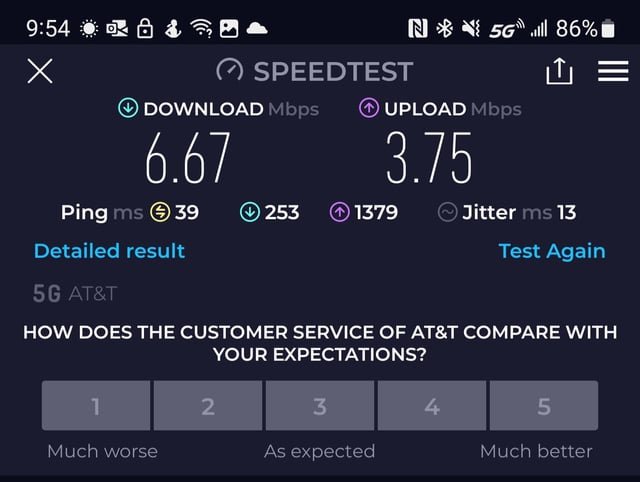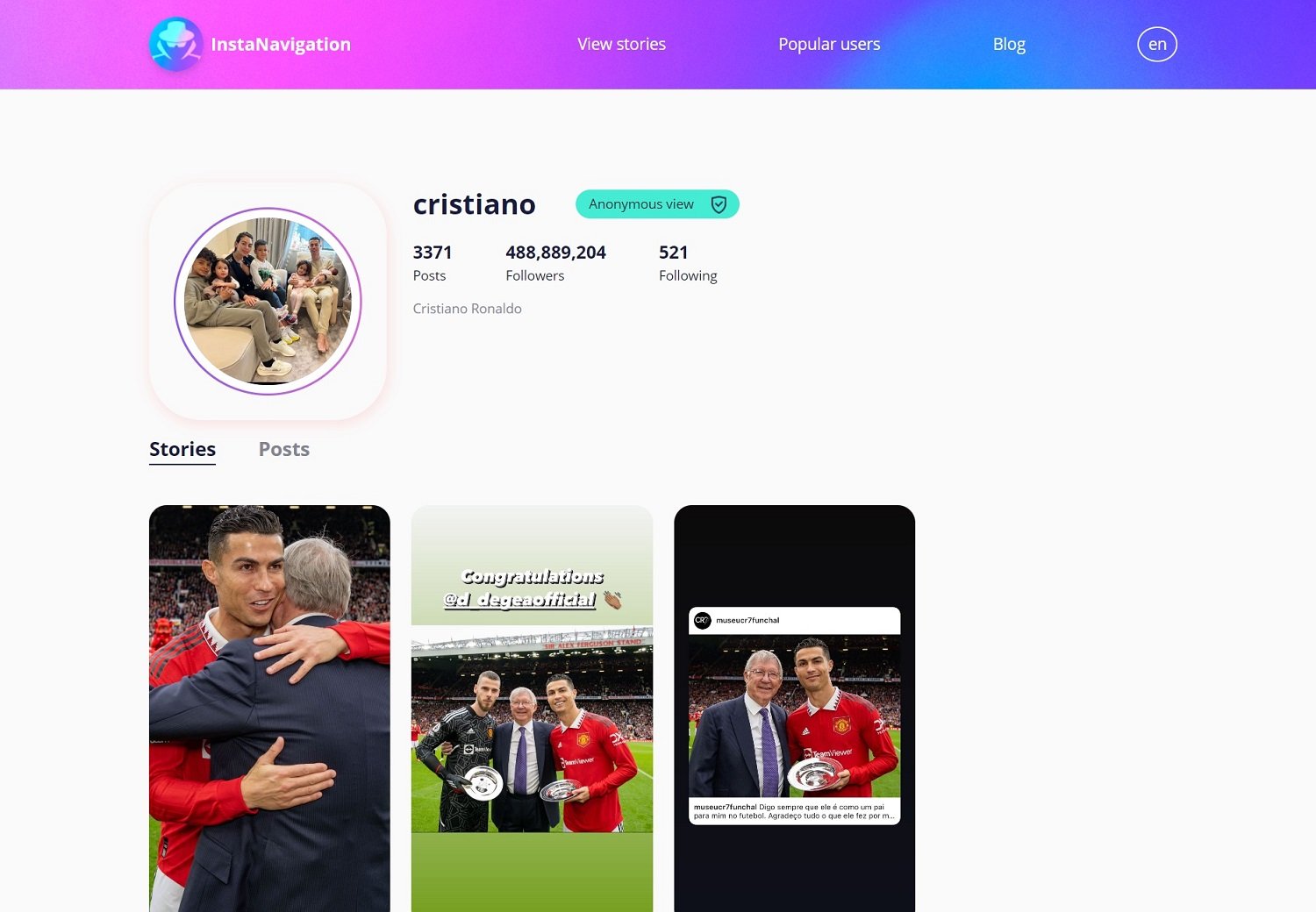
Looking for a faster and more efficient way to navigate through your apps and websites? Look no further! Instanavigation is the solution you’ve been searching for. With instanavigation, you can find exactly what you’re looking for with just a few simple steps. No more wasting time searching through endless menus or clicking through multiple pages. Instanavigation streamlines the process, saving you valuable time and energy. So, if you’re ready to elevate your navigation game and master the art of seamless browsing, instanavigation is here to help. Let’s dive in and explore the wonders of this game-changing technology.

Instant Navigation: Revolutionizing the Way We Move Online
Introduction to Instant Navigation
In today’s fast-paced digital world, the need for instant access to information is essential. Whether we are browsing the internet, using a mobile application, or navigating through online platforms, speed and efficiency are paramount. This is where instant navigation comes into play. Instant navigation refers to the ability to quickly and seamlessly navigate through different web pages, applications, or online platforms with minimal load times or interruptions. It simplifies the process of moving from one point to another, enabling users to access the information or features they need in seconds. In this article, we will delve into the world of instant navigation, exploring its importance, benefits, and the various ways it is transforming the online experience.
Importance of Instant Navigation
Instant navigation plays a crucial role in enhancing the overall user experience and meeting the expectations of modern digital users. Here are some key reasons why instant navigation is important:
- Speed: Instant navigation eliminates the frustrating waiting time associated with slow-loading pages. It allows users to quickly access the information they need, saving time and increasing efficiency.
- User Engagement: With instant navigation, users are more likely to engage with a website or application. When navigation is seamless and effortless, users are more inclined to explore further, increasing their time spent on the platform.
- User Satisfaction: Instant navigation contributes to user satisfaction by removing barriers and obstacles that may hinder the browsing experience. When users can effortlessly find what they are looking for, they are more likely to have a positive perception of the platform.
- Retention and Conversions: A smooth and fast navigation experience can significantly impact user retention and conversions. Research shows that slow-loading pages can lead to higher bounce rates and lower conversion rates. Instant navigation helps retain users and optimize conversion rates.
Technologies Powering Instant Navigation
To achieve instant navigation, various technologies and techniques are employed. Let’s explore some of the key technologies powering this seamless browsing experience:
1. Fast Servers and Networks:
A fast and reliable server infrastructure is essential to ensure instant navigation. The server response time and the network’s speed have a direct impact on how quickly a webpage or application loads. Utilizing robust servers and networks can significantly enhance the speed and efficiency of navigation.
2. Content Delivery Networks (CDNs):
Content Delivery Networks (CDNs) are a network of proxy servers distributed globally. They store copies of web content in multiple locations, allowing users to access the nearest server, reducing latency and improving loading times. CDNs play a crucial role in enabling instant navigation by delivering content quickly and efficiently.
3. Caching Mechanisms:
Caching mechanisms help store frequently accessed data, such as images, JavaScript files, and stylesheets, closer to the user. By caching content, subsequent page loads can be significantly faster, as the browser does not need to download the same data repeatedly. Caching mechanisms, such as browser caching and server-side caching, contribute to instant navigation by reducing load times.
4. Asynchronous Loading:
Asynchronous loading is a technique used to load certain elements on a webpage independently. By loading elements such as images or scripts asynchronously, the page can continue to render and display content while the remaining elements load in the background. This improves the perception of speed and allows users to start interacting with the page immediately.
The Benefits of Instant Navigation
Instant navigation offers a plethora of benefits to both users and businesses. Let’s explore some of the key advantages:
1. Improved User Experience:
Instant navigation significantly enhances the overall user experience by eliminating frustrating load times and interruptions. Users can seamlessly move through different pages or sections, easily accessing the information or features they need. This results in increased user satisfaction and engagement.
2. Increased Efficiency and Productivity:
With instant navigation, users can quickly find what they are looking for, enabling them to complete their tasks more efficiently. Whether it’s researching information, making online purchases, or accessing specific features of an application, instant navigation streamlines the process, saving time and increasing productivity.
3. Competitive Advantage:
In today’s competitive digital landscape, providing a seamless and fast navigation experience can give businesses a significant competitive advantage. Users are more likely to choose platforms that offer instant navigation over slower alternatives, leading to increased customer loyalty and market share.
4. Higher Conversion Rates:
Instant navigation plays a vital role in driving higher conversion rates. By eliminating barriers and providing a smooth browsing experience, businesses can optimize their conversion funnels. Users are more likely to complete transactions or convert into customers when the navigation experience is effortless and efficient.
Developing Instant Navigation Strategies
To leverage the power of instant navigation, businesses can implement various strategies. Here are some key approaches to consider:
1. Optimize Website Performance:
Website performance optimization is crucial for achieving instant navigation. Some essential steps to optimize performance include:
- Minimize file sizes: Compress images, scripts, and stylesheets to reduce file sizes.
- Reduce server response time: Optimize server infrastructure and utilize caching mechanisms to reduce response times.
- Enable browser caching: Leverage browser caching to store frequently accessed files on the user’s device, reducing load times.
- Implement CDNs: Utilize Content Delivery Networks to deliver content quickly from geographically distributed servers.
2. Design Intuitive Navigation Structures:
Building intuitive navigation structures is essential for instant navigation. Consider the following tips:
- Streamline menu options: Keep menus simple and well-organized, avoiding clutter.
- Include search functionality: Implement a search feature to help users find specific content quickly.
- Use breadcrumbs: Breadcrumbs provide clear paths for users and enable easy navigation through hierarchical structures.
- Optimize mobile navigation: Ensure mobile navigation is user-friendly and adapts seamlessly to different screen sizes.
3. Utilize Progressive Web Apps (PWAs):
Progressive Web Apps combine the best of web and mobile applications, offering instant access, offline capabilities, and push notifications. PWAs provide a seamless navigation experience, regardless of the user’s device or network conditions. Implementing PWAs can significantly enhance instant navigation.
4. Leverage Single-Page Applications (SPAs):
Single-Page Applications load all necessary resources upfront and update content dynamically as users navigate through the application. This approach eliminates page reloads and enables instant navigation within the application. SPAs are particularly effective for websites or applications with a heavy focus on user interactions.
In a digital landscape where speed and efficiency are paramount, instant navigation has become a necessity. By eliminating slow-loading pages and interruptions, instant navigation enhances the user experience, increases engagement, and drives business success. Embracing the technologies and strategies discussed in this article can help businesses unlock the power of instant navigation, providing users with a seamless and effortless browsing experience. Stay ahead of the competition by prioritizing instant navigation and revolutionizing the way users move online.
How To Know If Someone Is Stalking You On Instagram
Frequently Asked Questions
What is Instanavigation and how does it work?
Instanavigation is a feature that allows users to quickly and efficiently navigate through an application or website. It utilizes advanced algorithms and intuitive design to provide instant access to different sections, pages, or features within the application. By analyzing the user’s behavior and preferences, Instanavigation predicts the most relevant destinations and displays them in a user-friendly interface, enabling users to navigate effortlessly.
Can I customize the Instanavigation feature to suit my needs?
Yes, the Instanavigation feature is highly customizable. It allows you to personalize the navigation options based on your preferences and frequently accessed sections. You can rearrange the order of the suggested destinations, add or remove specific sections, and even assign shortcuts or hotkeys for quick access. This flexibility ensures that the Instanavigation feature caters to your specific workflow and enhances your overall user experience.
Does Instanavigation support keyboard shortcuts?
Absolutely! Instanavigation is designed to support keyboard shortcuts for even faster navigation. You can assign specific keys or combinations to different sections or actions within the application. This allows you to bypass the traditional mouse-click navigation and directly access the desired destination or perform a particular function with a simple keystroke. The inclusion of keyboard shortcuts further enhances productivity and streamlines your interaction with the application.
Can I disable or enable Instanavigation if I prefer a different navigation method?
Certainly! Instanavigation is a customizable feature, and you have the option to enable or disable it based on your preference. If you find that Instanavigation is not your preferred method of navigation, you can easily turn it off and switch to a different navigation style, such as a traditional menu-based approach. Similarly, if you want to re-enable Instanavigation, you can do so with just a few clicks or keystrokes. The flexibility to toggle the feature on and off ensures that you have full control over your preferred navigation method.
Does Instanavigation work across different devices and platforms?
Yes, Instanavigation is designed to work seamlessly across various devices and platforms. Whether you are accessing the application on a desktop computer, laptop, tablet, or mobile device, Instanavigation adapts to the specific screen size and resolution, ensuring a consistent and optimized navigation experience. Additionally, Instanavigation supports different operating systems and browsers, making it compatible with popular platforms such as Windows, macOS, iOS, Android, and more.
Final Thoughts
Instant navigation is revolutionizing the way we explore and interact with digital platforms. With its seamless user experience and quick access to information, instanavigation is empowering users to effortlessly navigate through websites and apps. By eliminating the need for multiple clicks and unnecessary waiting time, instanavigation enhances productivity and efficiency. With just a few keystrokes or taps, users can swiftly find what they are looking for, saving valuable time and effort. Instanavigation is the future of digital interaction, providing a smooth and intuitive browsing experience for users worldwide.